E L I N A U T
Chat with us
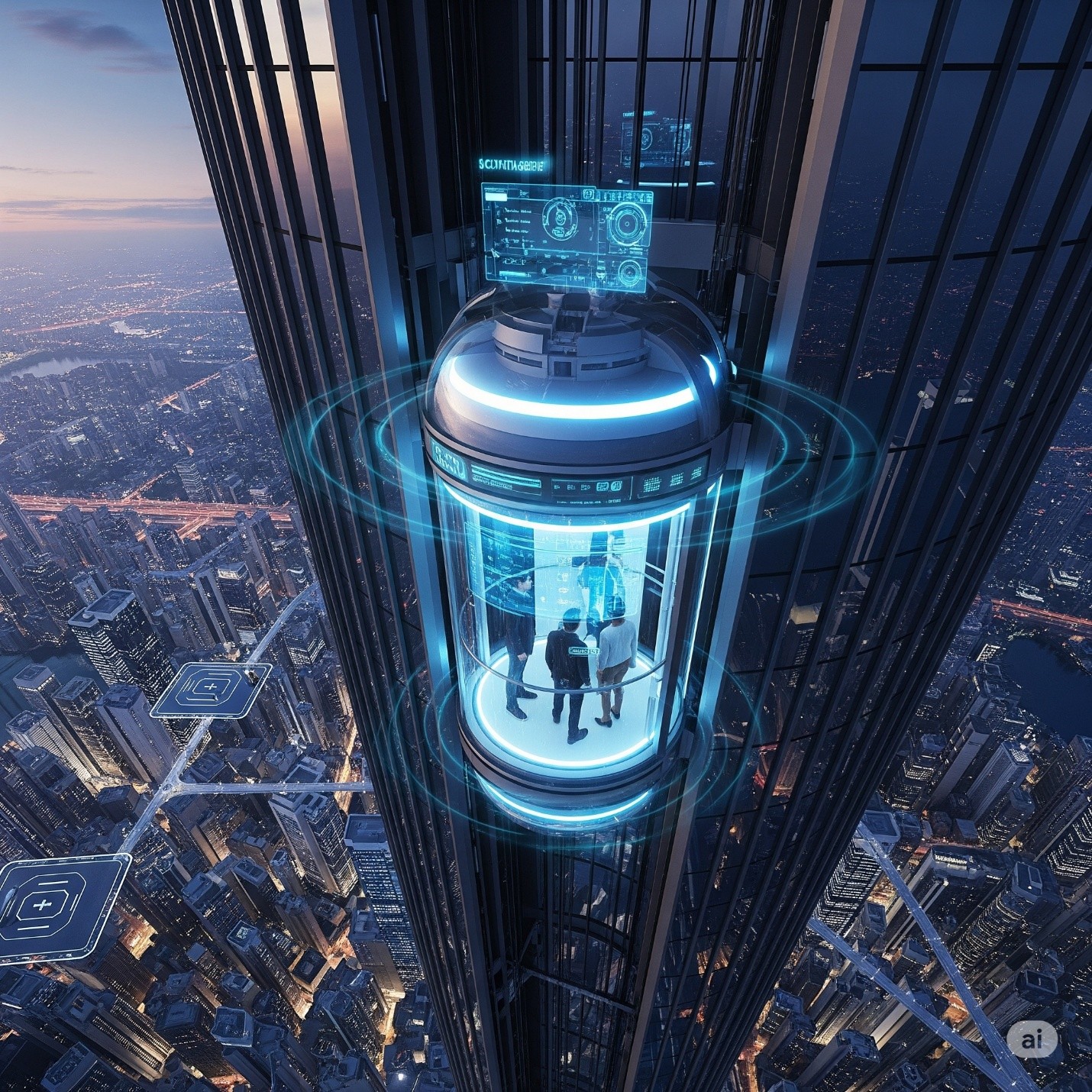
Course Image

Target Audience

Beginners with basic knowledge of electrical or mechanical systems.

Objective

Understand the fundamentals of lift and escalator systems, components, and basic maintenance procedures.

What You'll Learn

80 hours of comprehensive training
20 hours per week
Hands-on practical experience
Industry-relevant curriculum
Expert instructors
  • Introduction to Lift Systems (4 hours)
    • Overview of elevators and escalators: Types, applications, and history.
    • Industry standards and regulations (e.g., EN 81, ASME A17.1).
  • Basic Electrical and Mechanical Concepts (6 hours)
    • Voltage, current, and basic circuits for lift systems.
    • Mechanical components: Gears, pulleys, and counterweights.
  • Lift Components (6 hours)
    • Traction and hydraulic lifts: Motors, ropes, and sheaves.
    • Control systems, safety devices (e.g., brakes, limit switches).
  • Lab: Familiarization with lift components and tools (4 hours).
  • Electrical Systems in Lifts (6 hours)
    • Wiring, relays, and control panels.
    • Introduction to lift controllers and microprocessors.
  • Safety and Emergency Systems (8 hours)
    • Emergency stop, alarms, and communication systems.
    • Basics of lift safety circuits and interlocks.
  • Lab: Wiring a basic lift control circuit (6 hours).
  • Mechanical Systems in Lifts (6 hours)
    • Hoisting mechanisms, guide rails, and car frames.
    • Basics of escalator mechanics (steps, handrails, drives).
  • Basic Maintenance Procedures (6 hours)
    • Inspection of lift components (e.g., ropes, brakes).
    • Lubrication and cleaning of mechanical parts.
  • Lab: Inspecting and maintaining lift mechanical components (8 hours).
  • Lift Installation Basics (6 hours)
    • Overview of lift installation process: Hoistway, machine room.
    • Introduction to lift commissioning and testing.
  • Troubleshooting Fundamentals (6 hours)
    • Identifying common electrical and mechanical faults.
    • Using diagnostic tools (e.g., multimeters, fault code readers).
  • Lab: Simulating lift troubleshooting scenarios (6 hours).
  • Capstone Project: Design a basic lift system layout and maintenance checklist (2 hours).

Prerequisites

Basic electrical or mechanical knowledge for the 1-month course; completion of prior modules or equivalent for 3-month and 6-month courses.

Tools & Software

Multimeters
PLC programming software (e.g.
TIA Portal)
lift simulation software
IoT platforms (e.g.
AWS IoT).

Delivery Mode

Combination of lectures, hands-on labs, and project work.

Assessment

Weekly quizzes, lab assignments, and capstone projects.

Certification

Certificate of completion for each module; preparation for industry-recognized certifications (e.g., Qualified Elevator Inspector, NAEC certifications) in the 6-month course.


  • Duration 80 hours
  • Weekly 20 hours
  • Level All Levels

Available Curricula

Introduction to Lift Technology - 1-month

Duration: 1-month

Selected
3 Month

Duration: 3-month

Select
6 month

Duration: 6-month

Select

Course Highlights

  • Expert instructors with industry experience
  • Hands-on projects and real-world applications
  • Flexible learning schedule
  • Placement assistance